
MODULAR
CONSTRUCTION
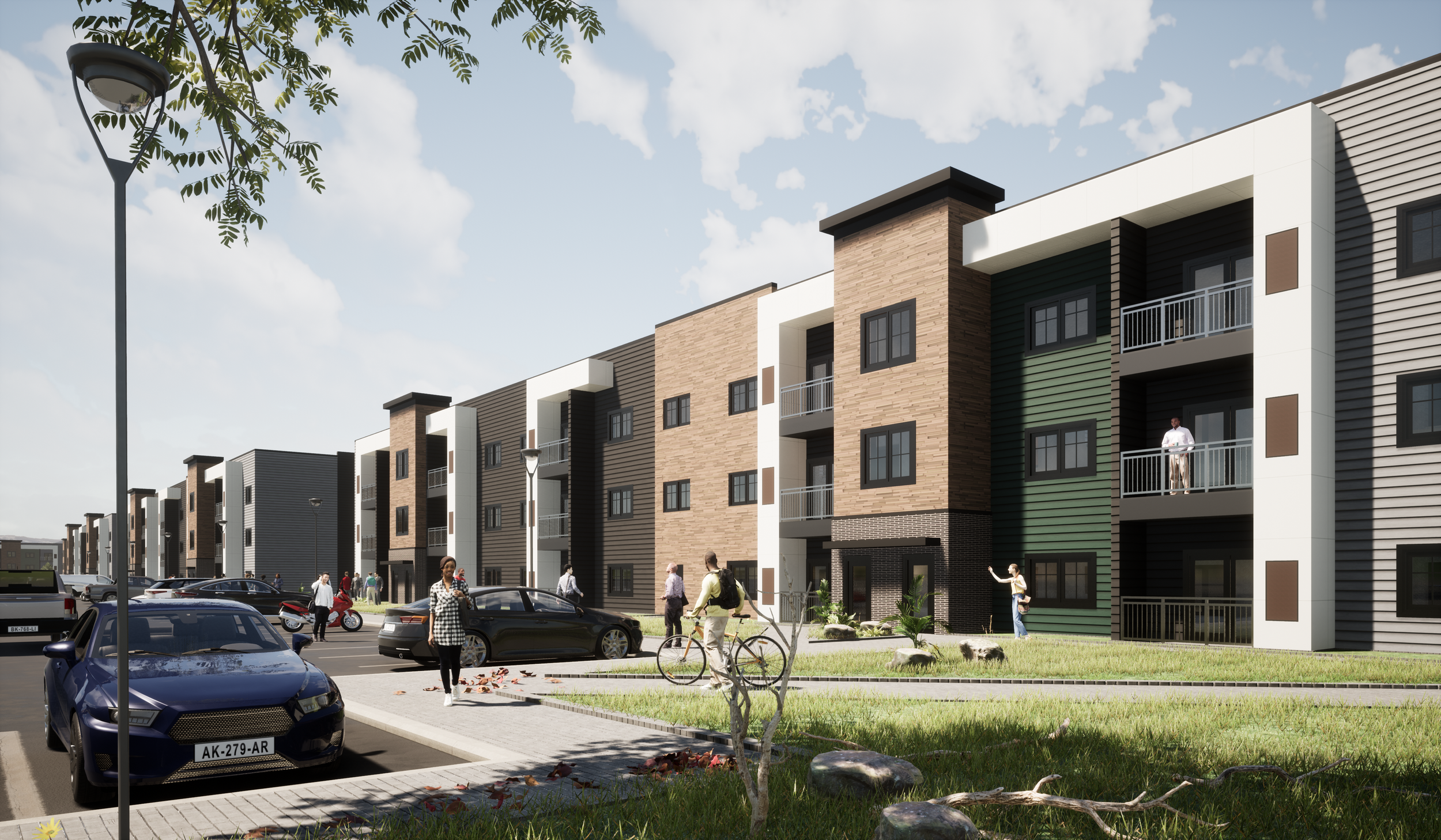
Modular Building Design for Multifamily, Mixed-Use, & Commercial Projects
Modular construction (also called volumetric modular construction) is a building method where fully or partially finished modules are fabricated off-site in a controlled factory environment, then transported and installed on permanent foundations. For owners and developers, modular can be a smart path to faster delivery and more predictable outcomes—when the project is designed around real manufacturing, transportation, and set-day constraints from the start.
Artekta Architects helps clients evaluate whether modular is the right fit through early concept planning and coordination, then leads the architectural design and documentation needed to deliver a successful modular project—especially for multifamily housing.
Why Developers Choose Modular & Why They Choose Artekta
-
Modular construction takes place in a climate-controlled facility with specialized equipment and repetitive building techniques. This controlled environment reduces weather delays, material waste, and theft while ensuring higher quality and consistent results throughout the entire build process.
-
Projects are completed 25-50% faster than conventional construction. Factory work occurs simultaneously with site preparation, and assembly-line production processes allow for faster assembly, significantly shortening project timelines.
-
Lower labor costs through efficient factory processes, reduced material waste, bulk purchasing advantages, and shorter project timelines all contribute to significant cost savings compared to conventional construction methods.
-
Modular construction can reduce waste materials (timber, cardboard, plastics, and concrete) by up to 90% compared to conventional methods. Modular homes feature tightly sealed building envelopes, improving energy efficiency and lowering heating costs. Additionally, buildings can be disassembled and modules relocated or refurbished for new use, reducing demand for raw materials.
Ideal Applications for Modular Construction
Modular construction is perfect for: - Residential: Single-family homes, multi-family housing, apartments - Commercial: Office buildings, retail spaces - Healthcare: Hospitals, clinics, medical facilities - Education: Schools, universities, training centers - Hospitality: Hotels, resorts - Emergency/Crisis Buildings: Rapid deployment facilities - Specialized Facilities: Laboratories, research centers
How Artekta Supports Modular Projects
Modular projects move quickly, so early decisions matter. Our role is to align design intent with manufacturer capabilities and site realities—without sacrificing quality or long-term performance.
-
o Concept design, unit planning, and repeatable layout strategies
o Early alignment with modular constraints such as module grids, transportation, and set-day considerations
-
o Module grid planning, repeatable unit layouts, and tolerance coordination
o Coordination of structural systems and MEP routing strategies
-
o Façade composition, material transitions, and detailing strategies
o Durable assemblies that support energy performance goals, including tighter building envelopes
Modular VS. Conventional Construction: What Changes
Both modular and conventional projects require strong architecture and coordination. The difference is where and how the building is assembled.
Primary build location:
Modular: Fabricated in a factory, then installed on-site. Conventional: Built on-site from start to finish.
Schedule approach:
Modular: Factory work and site work can happen at the same time. Conventional: Work is typically sequential on-site.
Weather exposure:
Modular: Minimal delays since work happens indoors. Conventional: On-site inspections are vulnerable to weather damage & material exposure.
Design strategy:
Modular: Best results with repeatable layouts and early coordination. Conventional: More flexibility for late changes and unique conditions.
Quality control:
Modular: Multi-stage factory checks and consistent processes. Conventional: Quality can vary with site conditions and sequencing.
Ready To Start Your Modular Project?
Contact Artekta Architects today to discuss how modular construction can benefit your next project.
Fargo, North Dakota | 701.526.3693 | admin@artekta.com
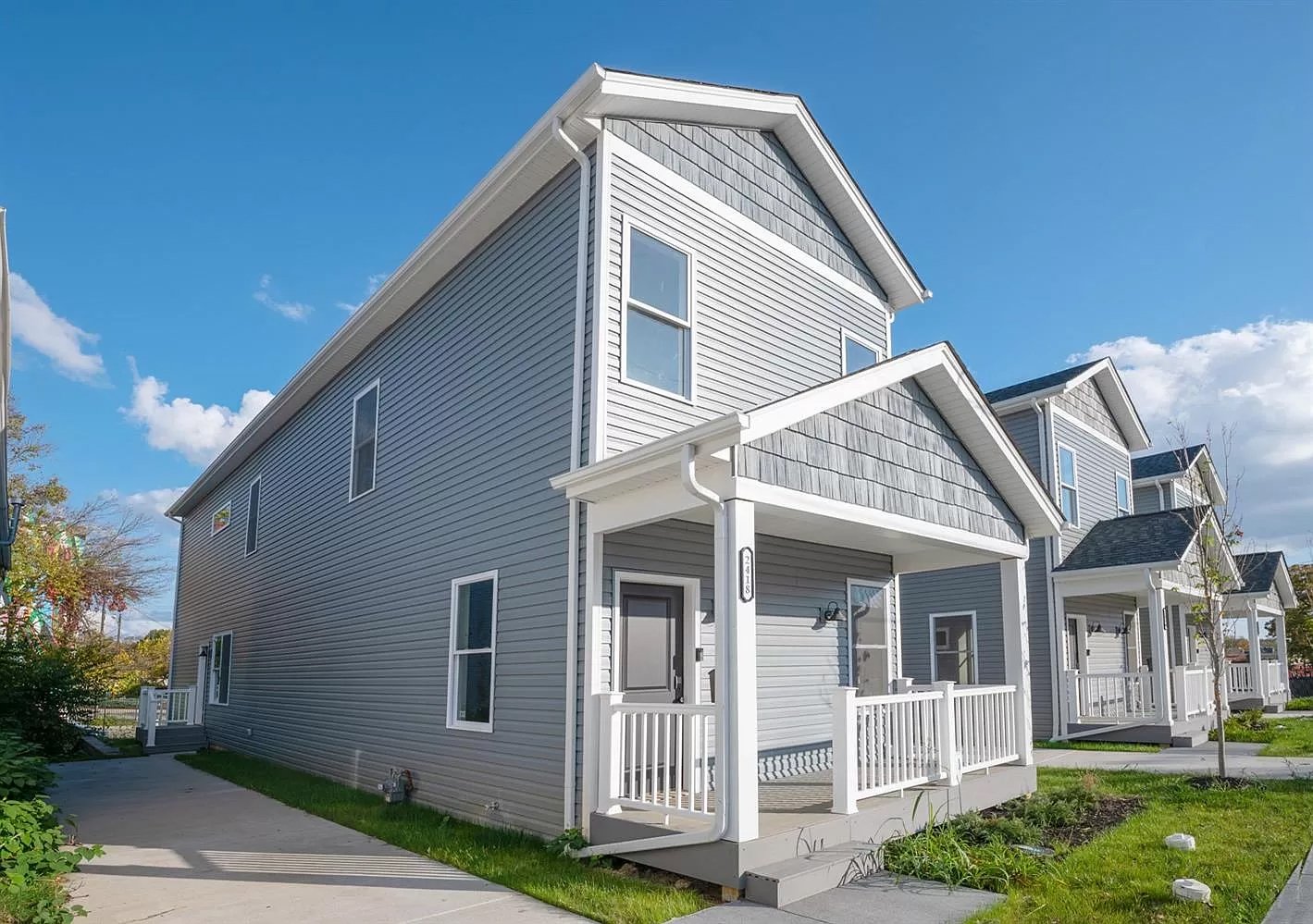
Aspen modular townhomes designed by Artekta As for Cincinnati Port Authority Housing
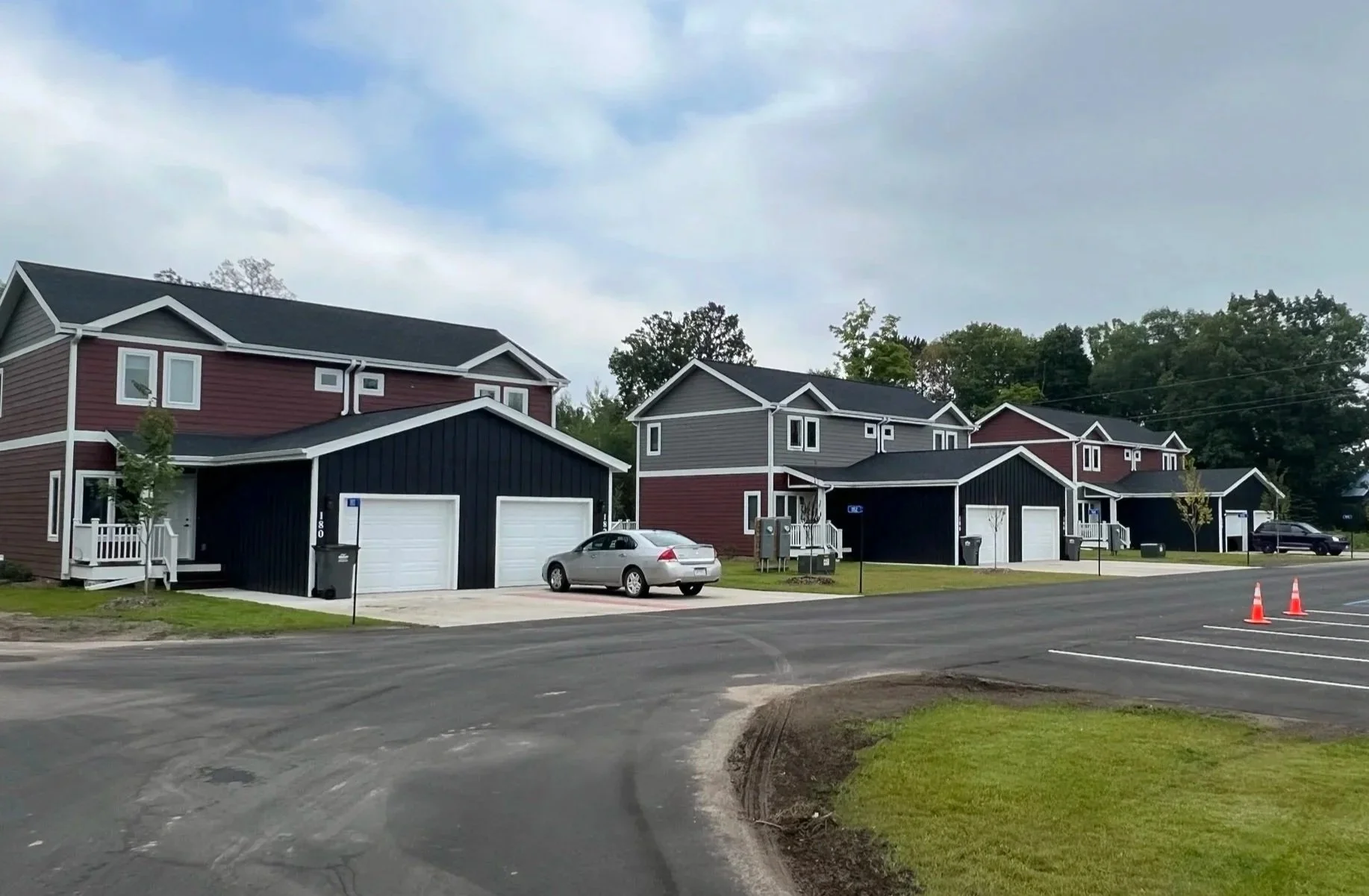
Red Willow Estates Modular Duplex Home Front Entry and Garage
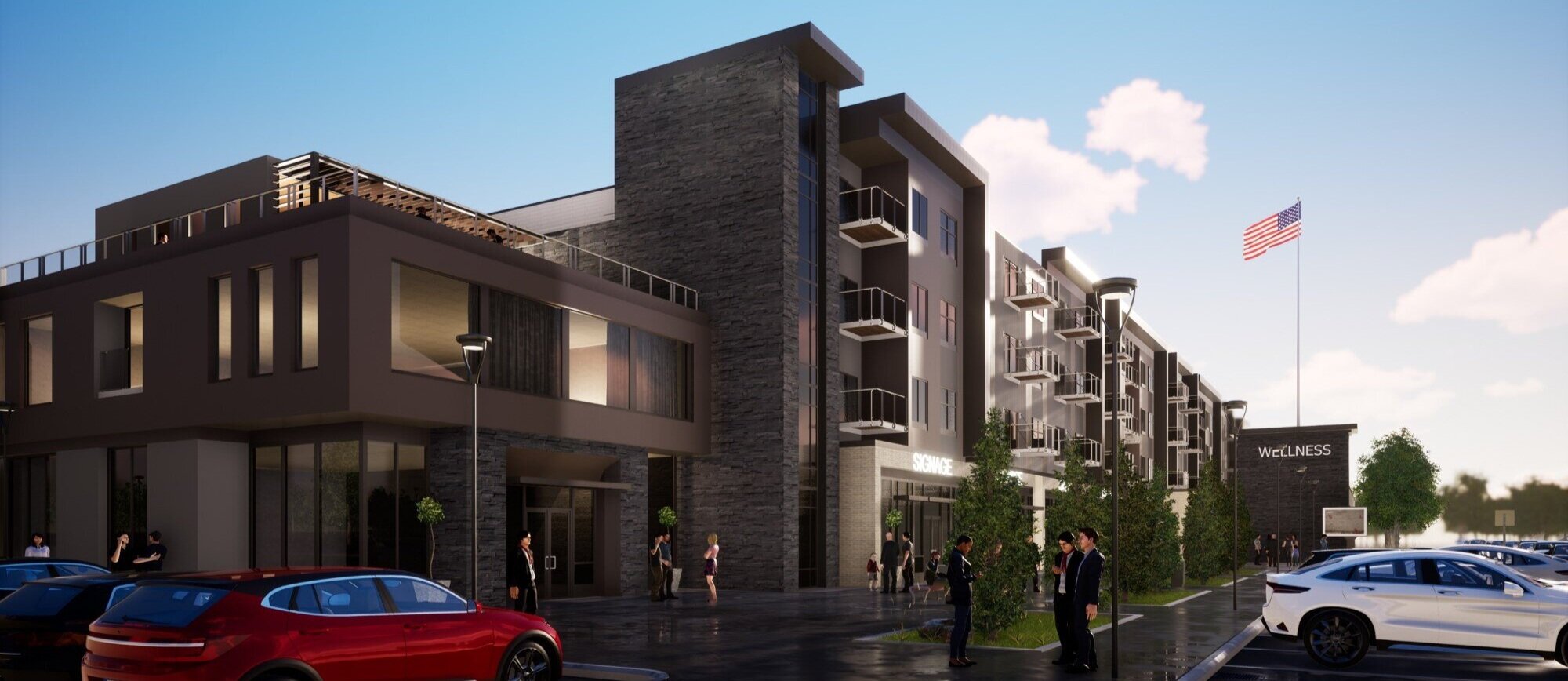
Concept Design: Asguard-A modern multifamily and mixed-use community designed with integrated wellness and resident amenities.
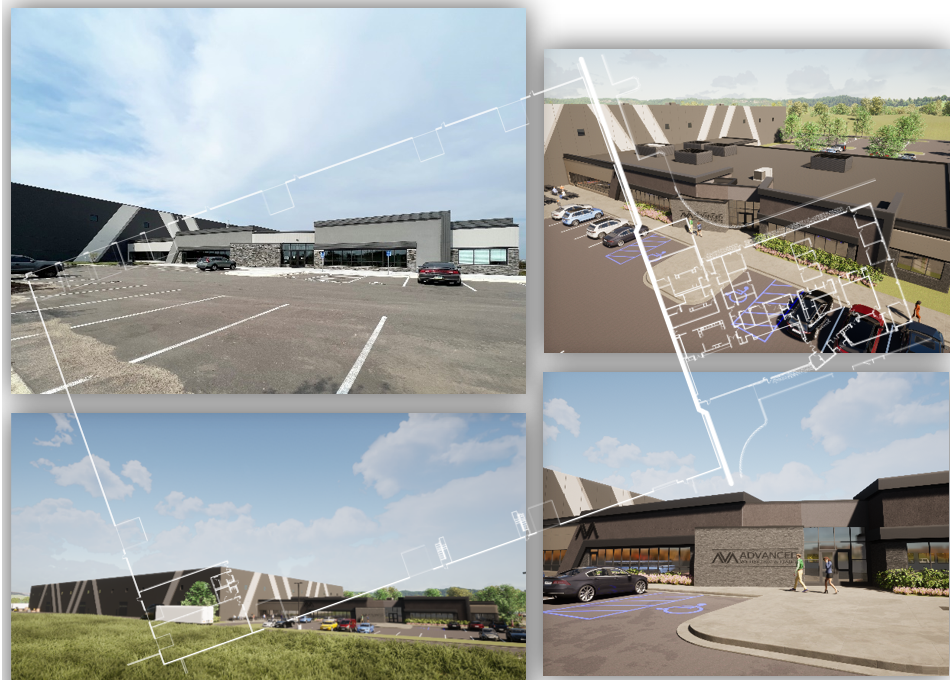
Collage of exterior renderings of the Ava Modular production plant with floor plan overlay.
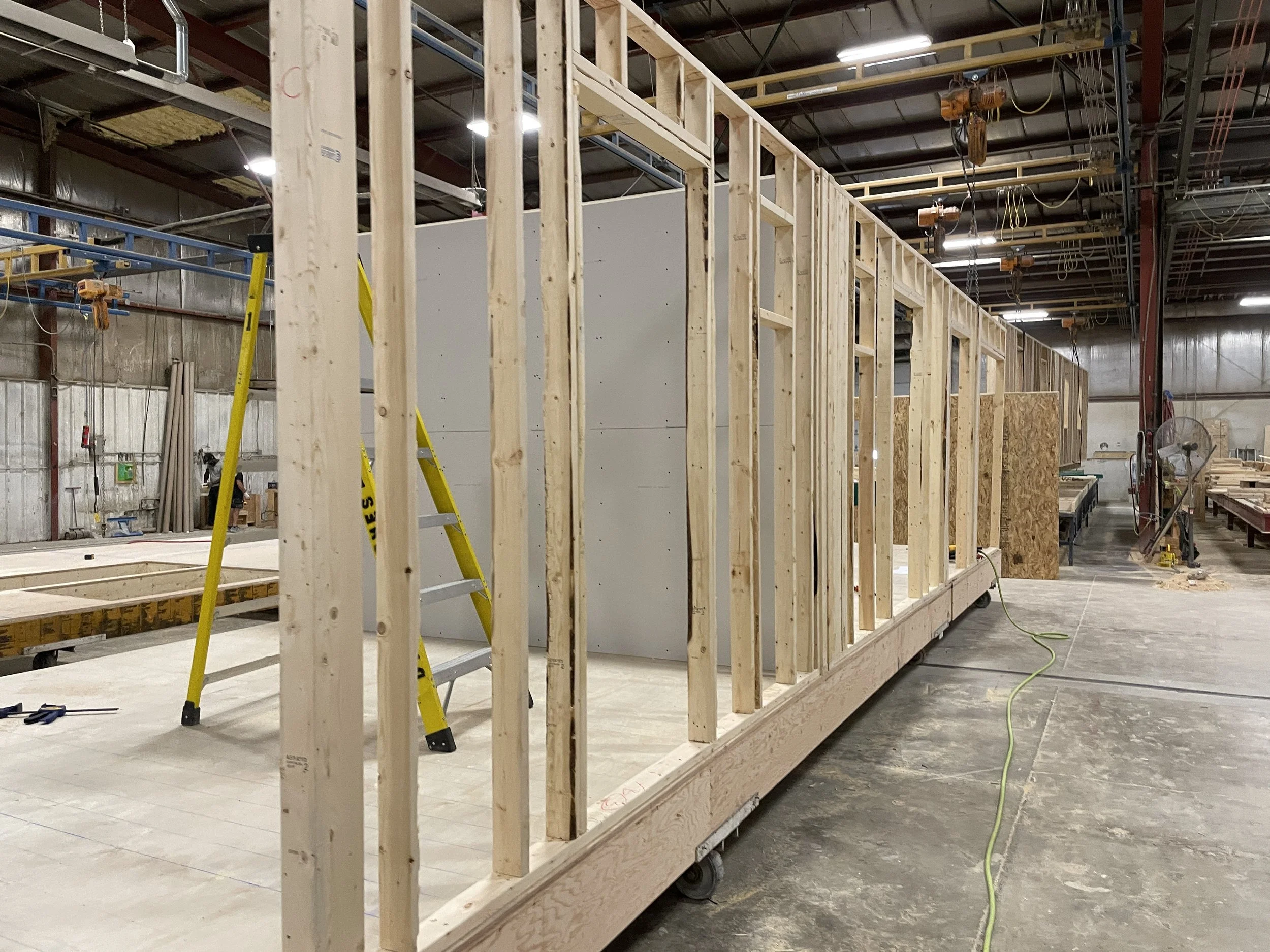
Wood framing construction inside AVA modular manufacturing facility in Albertville Minnesota
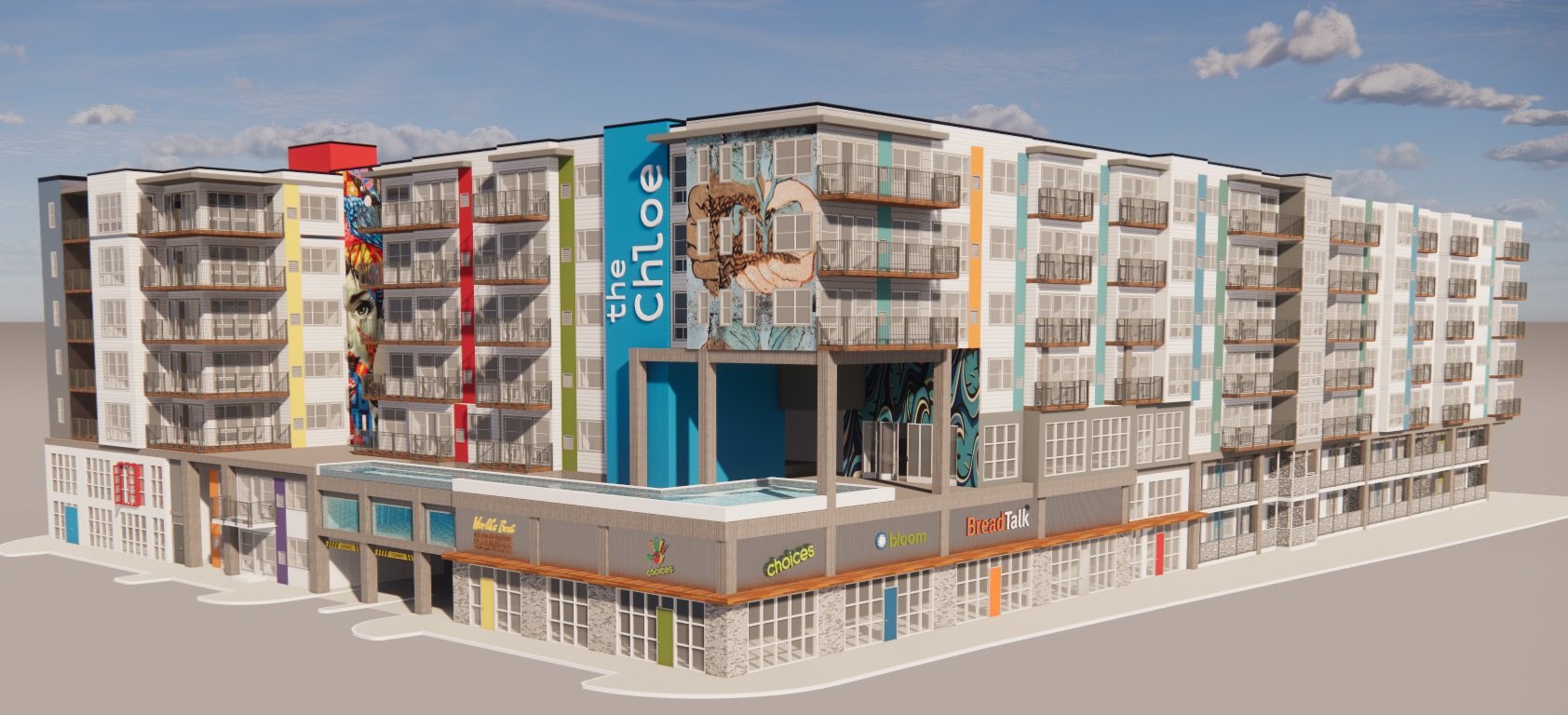
Architectural rendering of The Chloe at SoGood, a proposed mixed-use apartment building in south Downtown Dallas, Texas, featuring ground-floor retail, a modular-over-podium design, and colorful facade murals with resident amenities including a rooftop pool and patio.